Foshan Huiju Decoration Material Co. Ltd.
 english
 français
 Deutsch
 Italiano
 Русский
 Español
 português
 Nederlandse
 ελληνικά
 日本語
日本語
 한국
한국
 العربية
 हिन्दी
 Türkçe
 indonesia
 tiếng Việt
 ไทย
ไทย
 বাংলা
বাংলা
 فارسی
فارسی
 polski


|
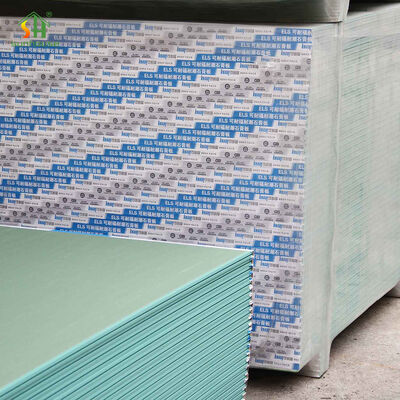
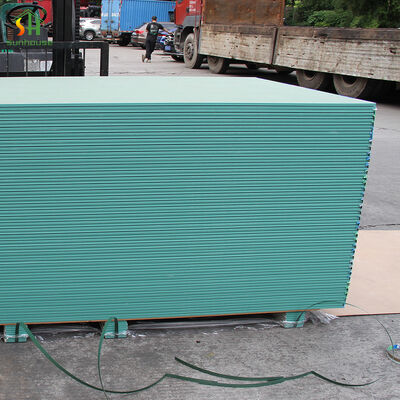
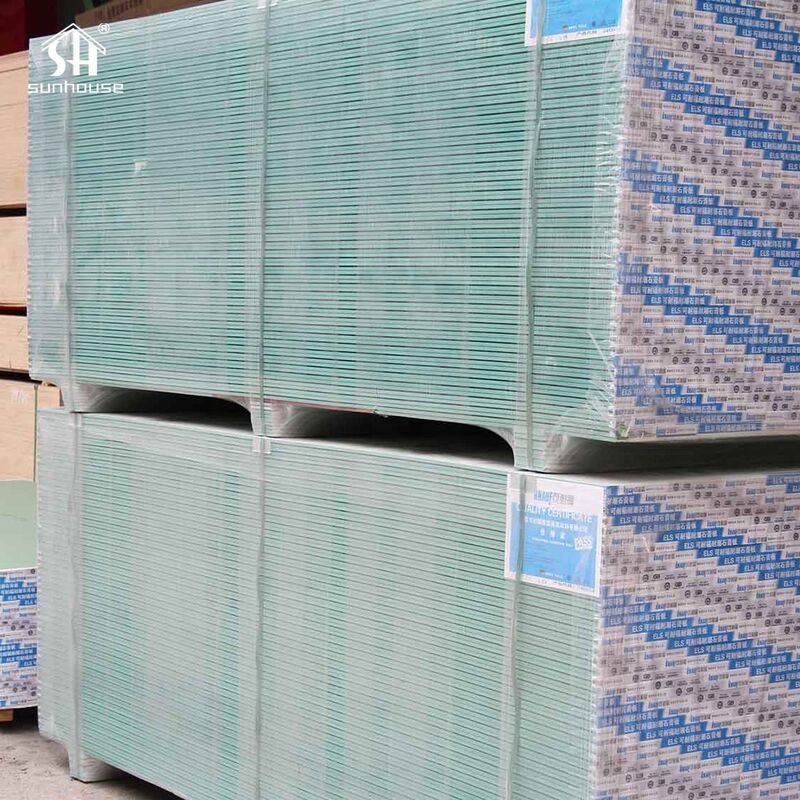
| ブランド名: | SUNHOUSE |
| モデル番号: | 1220x244m-12mm |
| MOQ: | 800 |
| 支払い条件: | LC、T/T |
耐湿石膏ボード、セメントボード、酸化マグネシウムボードはすべて、バスルーム、キッチン、ホテル、病院、およびモジュール式建物の仕様に使用できます。ただし、組成、設置方法、水分制限、仕上げ要件、調達リスクが異なります。正しい選択は、ボードが防水性、耐火性、またはあらゆる湿潤エリアに適しているという一般的な主張ではなく、実際の浸水、テストされた建築システム、目的地市場の要件に基づいて行う必要があります。
通常の湿度、時折の飛沫、直接スプレー、たまり水、屋外の天候への暴露を区別してください。
ボードがペイント、ジョイントコンパウンド、セラミックタイル、レンダリング、またはその他の仕上げシステムを受けるかどうかを確認します。
防火、音響、カビ、衝撃、構造上の要件を耐湿性とともに検討します。
一括購入する前に、正確な配合、規格、テストレポート、ファスナー、および承認された用途を照合してください。
3 つの素材を同じ製品の単純な品質レベルと見なすべきではありません。耐湿石膏ボードは、吸水性を抑えた軽量な内装仕上げパネルです。セメントボードは、要求の厳しい湿潤地域および乾燥地域向けに設計された、より密度の高いセメント質タイル裏打ち基材です。酸化マグネシウムボードは、マグネシウムベースのパネルの幅広いファミリーであり、その性能はバインダーの化学反応、補強材、および製造品質に大きく依存します。
耐湿性添加剤と処理紙、ガラスマット、またはその他の製品固有の表面を備えた石膏コアパネル。これは、滑らかな乾式壁仕上げと迅速な取り付けが重要な、湿気の多い内壁や天井に一般的に選択されます。
一般にメッシュまたは繊維で補強されたセメント質のボード。セメントバッカーユニットとして製造された製品は、寸法安定性を維持し、適切な湿式および乾式設置においてタイルや石に耐久性のある下地を提供するように設計されています。
マグネシウムベースのバインダー、フィラー、強化メッシュまたは繊維で作られたカバーボードの総称。製品には塩化物ベース、代替低塩化物、または別の化学薬品が使用されている場合があるため、メーカーによって性能が大きく異なる場合があります。
耐水性の下地であっても、接合部、コーナー、ネジの貫通部、保守用の開口部が含まれています。シャワー、ウェットルーム、またはタイル張りのエンクロージャでは、別途の防水膜、強化されたトランジションの詳細、互換性のある接着剤、および密閉された貫通部が必要な場合があります。ボードはシステムの 1 つのコンポーネントであり、完全な防水バリアではありません。
| 比較項目 | 耐湿石膏ボード | セメントボード | 酸化マグネシウムボード |
|---|---|---|---|
| 一次バインダー | 防湿添加剤を配合した石膏コア。 | ポルトランドセメントまたは強化繊維またはメッシュを備えた別のセメント質バインダー。 | 塩化物ベース、低塩化物、またはその他の結合剤化学を使用したマグネシウムベースのセメント。 |
| 典型的なフェーシング | 処理された紙、ガラスマット、または製品固有のフェーサー。 | セメント質パネルと一体化した補強メッシュまたは繊維。 | グラスファイバーメッシュ、不織布層、または製品固有の補強。 |
| 水にさらされる位置 | 湿気の多い室内と限られた水への暴露。製品の承認が必要です。 | 一般的に、湿潤および乾燥したタイル裏張りエリアに選択されます。 | 正確な配合、テスト、承認された暴露条件から確認する必要があります。 |
| 継続的な湿潤 | 一般に、推奨されるデフォルトのマテリアルではありません。 | 耐水性は向上しますが、それでも防水加工が必要な場合があります。 | 適性は様々です。オキシ塩化マグネシウム製品の中には、長期的な耐水性が劣るものもあります。 |
| 表面仕上げ品質 | 高品質の塗装仕上げに適した滑らかな乾式壁表面を提供します。 | 通常は、従来のレベル 4 またはレベル 5 乾式壁仕上げではなく、タイルまたはコーティング下地として使用されます。 | 平滑性と接合部の視認性はボードと仕上げシステムによって異なります。 |
| 切断と取り付け | 通常は、標準的な乾式壁の設置方法を使用して、切り込みを入れ、スナップし、固定します。 | 製品の厚さに応じて、超硬工具、ハサミ、または電動工具が必要になることがよくあります。 | 切断方法はさまざまです。粉塵管理と製造元の指示を確認する必要があります。 |
| 相対的な取締役会のウェイト | 通常、同等の壁面積に対して最も軽いオプションです。 | 緻密なセメント質組成のため、一般的により重い。 | 密度、フィラー、厚さ、配合によって大きく異なります。 |
| ファスナーの要件 | 乾式壁用ネジがフレーム用に選択され、アセンブリが承認されました。 | 耐食性セメントボードねじまたはその他のシステム固有の留め具。 | ファスナーの適合性は、特に塩化物含有配合物が存在する可能性がある場合に重要です。 |
| ファイアパフォーマンス | 耐火性と耐湿性を組み合わせたバージョンも用意されています。 | セメント質組成物は、強力な不燃材料特性を提供できます。 | 耐火性を目的として販売されることがよくありますが、テスト済みの完全なアセンブリを引き続きレビューする必要があります。 |
| カビのリスク | 特殊製品は試験済みの防カビ性を備えている可能性がありますが、紙や表面の汚染には依然として湿気管理が必要です。 | セメント質の表面では有機性の表面材は少なくなりますが、汚れや仕上げによってカビが発生する可能性があります。 | 表面仕上げ、フィラー、湿気の挙動、表面処理によって異なります。 |
| 動きと関節 | 通常は、互換性のある乾式壁テープとジョイントコンパウンドが使用されます。 | 通常、耐アルカリ性メッシュテープと承認されたセメント質接合処理が必要です。 | ジョイント製品と動作の詳細はメーカーのシステムと一致する必要があります。 |
| 一般的なコストポジション | 通常、適切な湿気の多い屋内用途では、設置コストが最も低くなります。 | ボードと人件費は高くなりますが、要求の厳しいタイル張りのウェットゾーンに適しています。 | 価格は大幅に異なりますが、テスト、ファスナー、コーティング、コンプライアンスのリスクが含まれます。 |
| 主な調達リスク | 完全防水ボードとして誤って宣伝されています。 | 正しいネジ、テープ、メンブレン、ムーブメントの詳細が記載されていない状態で購入された場合。 | 未知の化学的性質、遊離塩化物、水分の移動、および不十分なシステム文書。 |
耐湿性石膏ボードは、通常、バスルームの乾式壁、キッチンの壁、パウダールーム、ランドリールーム、換気された湿気の多い天井に最も効率的な選択肢です。
繰り返しのスプレーにさらされるシャワーの壁、浴槽の周囲、およびタイル張りのエリアには、セメントボードまたは別の特別に承認された濡れたエリアの基材が好まれることがよくあります。
商業用シャワー、プール、スチームルーム、屋外ファサード、および常に湿ったエリアには専門のシステムが必要です。 MgO 製品は、配合と耐久性の検証後にのみ受け入れられなければなりません。
| 応用 | 優先開始オプション | 理由 | 必要な検証 |
|---|---|---|---|
| 浴室用ドライウォール | 耐湿石膏ボード | 軽量で滑らかで、塗装または軽いタイル張りの内面に経済的です。 | 水分分類、厚さ、通気性、仕上げシステム。 |
| 浴室の天井 | 天井用MR石膏ボード認定品 | 頭上重量を軽減し、滑らかな仕上がりを実現します。 | たわみ耐性、フレーム間隔、ボードの方向、通気性。 |
| キッチンの壁 | 耐湿石膏ボード | 湿気や時折の掃除の飛沫に適しています。 | シンクや調理器具の後ろの追加の飛沫防止。 |
| 住宅用シャワーウォール | セメントボードまたは承認されたウェットエリアパネル | 繰り返しの直接スプレーやタイル施工に適しています。 | 防水膜、接合部、コーナー、貫通部、タイルシステムの承認。 |
| バスタブサラウンド | セメントボードまたは承認されたMRシステム | 露出は浴槽とシャワーの構成によって異なります。 | ウェットゾーンを定義し、メーカーの承認を確認します。 |
| 公共シャワールーム | セメントスペシャリストウェットエリアシステム | 頻繁に使用すると、水分負荷が高くなり、乾燥時間が制限されます。 | 完全防水、排水、可動ジョイント、耐腐食性アクセサリー。 |
| 浴室の床タイルの裏地 | セメントボードまたは承認された床バッカー | 正しく設置された場合、床下のタイルの荷重をサポートするように設計されています。 | 下地床の剛性、モルタル床、固定パターン、動きへの適応。 |
| ホテルのバスルームのパーティション | 複合システム | ドライフェイスには MR 石膏を使用できますが、シャワーフェイスにはセメント質のウェットエリアの裏打ちが必要な場合があります。 | 火災、音響、湿気、タイル負荷の要件。 |
| 防火湿気の多いパーティション | 耐火耐湿石膏ボード | 記載されている場合、効率的な組み合わせパフォーマンスを提供できます。 | 正確なボード指定と完全な防火アセンブリ。 |
| モジュール式建物のインテリア | プロジェクト固有の石膏ボードまたは MgO ボード | 重量、輸送時の振動、火気および湿気の要件が選択に影響する場合があります。 | 本格的なシステムテスト、ジョイント設計、ファスナー、輸送耐久性。 |
| 外装被覆材 | 外装被覆材認定品 | 内装用 MR 石膏およびタイルバッカー製品は適切であるとは考えられません。 | 耐候性、耐水性バリア、被覆材および固定要件。 |
| 外装レンダリング基板 | 承認済みのレンダーキャリアボード | レンダリングでは、基材に水分、動き、接着力が要求されます。 | 理事会の承認、メーカーの互換性、動作ジョイント、耐候性テストを行います。 |
より耐水性の高いボードを選択しても、トランジションのたびに水を管理する必要がなくなるわけではありません。タイル張りのウェットゾーンでは、基材、膜、接着剤、仕上げ材が 1 つの調整されたシステムとして機能する必要があります。
この図は、一般的なシステム シーケンスを示しています。実際の膜の位置、プライマー、テープ、接合処理、接着剤、留め具、および硬化要件は、承認されたボードおよび防水材メーカーの指示に従う必要があります。
一般に、セメントボードは、紙面石膏ボードよりも湿気にさらされても安定性を保ちます。ただし、水はパネルの接合部、ファスナーの貫通部、ボード自体を通過する可能性があります。防水エンクロージャが必要な場合は、指定されたメンブレンとトランジションの詳細を取り付けてください。
石膏、セメント質、およびマグネシウムベースのボードは、耐火性能の一部を目的として選択されることがよくあります。材料の分類と壁または天井の完全な耐火性は、個別に検討する必要があります。
| ファイアレビューアイテム | MR石膏ボード | セメントボード | MgOボード |
|---|---|---|---|
| 物質の挙動 | 石膏には、焼成中の熱伝達を遅らせるのに役立つ化学的に結合した水が含まれています。 | セメント質組成物は一般に、発火および炎の寄与に対して強い耐性を示します。 | マグネシウムベースの組成物は、配合に応じて強力な耐火性能を提供する場合があります。 |
| 耐火製品オプション | 耐火性と耐湿性を兼ね備えたボードとして利用可能です。 | 製品の火災特性は、正確なセメントボードについて検証する必要があります。 | 火災クレームでは、テストされた基板の配合と製品コードを特定する必要があります。 |
| 時間当たりの評価 | 完全にテストされた石膏ボードアセンブリが必要です。 | 完全にテストされた壁、床、または天井のアセンブリが必要です。 | 正確な MgO ボードを使用した完全にテストされたアセンブリが必要です。 |
| 代替リスク | MR ボードは防火設計において特に許可されなければなりません。 | セメントボードは、不燃性だけでは耐火石膏の代替にはなりません。 | システムレベルの承認がなければ、ある MgO 製品を別の MgO 製品に置き換えることはできません。 |
完成したパーティションが接合部、フレームの変形、留め具の損失、または熱伝達によって早期に破損する一方で、材料の火災への寄与は限定的である可能性があります。時間ごとの評価は、分離された基板サンプルではなく、テストされたアセンブリに属します。
| 設置アイテム | MR石膏ボード | セメントボード | MgOボード |
|---|---|---|---|
| 手動による取り扱い | 一般に、持ち上げたり位置決めしたりするのが簡単になります。 | 重いシートの場合は追加の労力が必要になる場合があります。 | 基板の密度と厚さに大きく依存します。 |
| 切断 | 通常、限られたツール要件でスコアアンドスナップを行います。 | 超硬のスコアリング、ハサミ、または電動切断が必要になる場合があります。 | 配合に応じて、多くの場合、切り込みを入れたり、機械的にカットしたりできます。 |
| 防塵対策 | 基本的なスコアアンドスナップカットのための低ダスト。 | 機械的に切断すると、セメント質やシリカを含む粉塵が発生する可能性があります。 | 機械的な切断では、制御が必要な微細な鉱物粉塵が発生する可能性があります。 |
| ファスナー | 標準承認された乾式壁ネジ。 | 適度な耐食性を備えたセメント板ネジです。 | 製品固有の耐食性ネジと互換性のあるフレーム。 |
| 関節治療 | 滑らかな装飾のための乾式壁用テープとジョイントコンパウンド。 | 耐アルカリメッシュとセメント質処理。 | 製品固有のテープ、フィラー、ムーブメントの詳細。 |
| 仕上がり外観 | シームレスな塗り壁の外観に最適です。 | 露出した装飾仕上げよりもタイルの下に適しています。 | 仕上げも可能ですが、目地割れや相性の検討が必要です。 |
| 輸送ペイロード | ボードの重量を減らすと、コンテナーあたりのシートの枚数を増やすことができます。 | 密度が高くなると、コンテナあたりのシート数が制限される場合があります。 | コンテナの積載量は実際の製品の重量によって異なります。 |
MgO ボードを 1 つの標準商品として扱うべきではありません。バインダーの化学的性質、原材料の純度、未反応の塩、強化材、充填剤、硬化および表面処理はすべて性能に影響を与える可能性があります。
ボードが塩化物ベース、代替低塩化物、または別のマグネシウムベースのシステムを使用しているかどうかを判断します。
塩化物関連の腐食がプロジェクトの懸念事項である場合は、水溶性または遊離塩化物の試験データをリクエストしてください。
高い相対湿度下での吸湿、寸法変化、および性能を確認します。
乾湿サイクル、浸漬、強度保持、寸法安定性のデータを取得します。
必要なファスナーのコーティングまたはステンレス鋼のグレード、および金属フレームとの互換性を確認してください。
プライマー、塗料、接着剤、膜、接合製品との適合性を確認します。
製品が国際基準を満たしているという一般的な記述を受け入れるのではなく、実際のテストの枠組みを特定します。
同様の気候、アセンブリ、および暴露条件での文書化された使用を確認してください。
一部のオキシ塩化マグネシウムボードは、残留塩化物塩が適切に管理されていない場合、湿った空気から湿気を吸収する可能性があります。塩分が含まれる湿気は、ネジ、スチール スタッド、および近くの金属部品に影響を与える可能性があります。リスクは、製品固有の化学試験、湿気試験、腐食試験を通じて評価する必要があります。
別の低塩化物または塩化物フリーの説明は、遊離塩化マグネシウムに関する懸念を軽減する可能性がありますが、それは独立して耐水性、寸法安定性、またはシステムの承認を証明するものではありません。購入者は、化学的および物理的テストのパッケージ全体を確認する必要があります。
平方メートルあたりのボード価格は、購入決定の一部にすぎません。低価格のシートでは、追加の労働力、特別な工具、高級な留め具、または修正作業が必要な場合、設置コストが高くなる可能性があります。
| 原価要素 | MR石膏ボード | セメントボード | MgOボード |
|---|---|---|---|
| ボード価格 | 通常、適切なインテリア用途では最低値です。 | 一般的にMR石膏ボードよりも高い。 | 構成と認証によって大きく異なります。 |
| 運賃 | 軽量化により、設置面積あたりのコストを削減できます。 | 密度が高くなると、輸送コストと取り扱いコストが増加する可能性があります。 | 平方メートルあたりの実際の質量から計算する必要があります。 |
| 労働力の削減 | スコアアンドスナップによる迅速なインストール。 | 切削時間と工具の摩耗が増加します。 | 硬さや切断方法により異なります。 |
| 仕上げ労働 | 塗装された乾式壁仕上げに効果的です。 | タイルの下では効率的ですが、乾式壁の仕上げにはあまり適していません。 | 検証済みの独自の仕上げシステムが必要です。 |
| 付属品の価格 | 乾式壁用ネジ、テープ、コンパウンド。 | 特殊ネジ、耐アルカリテープ、モルタル。 | 潜在的に高級なネジ、プライマー、接合材。 |
| コンプライアンスのリスク | 明確に定義された屋内用途で使用する場合は低くなります。 | Low when supported by recognized tile-backer standards and system instructions. | 製品の規格、化学的性質、承認が不明瞭な場合は、さらに高くなる可能性があります。 |
| 修理のリスク | 継続的に湿ったゾーンに誤って設置された場合は高くなります。 | 防水加工や可動ジョイントを省略するとさらに高くなります。 | エンクロージャ後に湿気の移動や腐食が発生した場合は高くなります。 |
指定されている壁、天井、床、シャワー、外装、またはレンダリング基材を特定します。
湿気、飛沫、直接スプレー、たまり水、結露、風雨にさらさないようにしてください。
仕上げがペイント、タイル、石材、レンダリング、壁紙、またはその他のコーティングであるかどうかを確認します。
火災、音響、衝撃、カビ、構造、熱の要件を確認します。
該当する石膏、セメントバッカー、MgO、または仕向地市場の試験フレームワークを特定します。
フレーム、ファスナー、ジョイント、メンブレン、接着剤、仕上げ材を一緒に確認します。
物理サンプルをテストレポート、製品コード、工場情報と照合します。
書面による技術的承認がない限り、代替品や配合の変更を禁止します。
サプライヤーは、湿度、湿潤ゾーン、および継続的な水への曝露を区別しません。
ボード データは、ジョイント、ファスナー、メンブレン、または仕上げの詳細なしで提供されます。
標準的な乾式壁用ネジとテープはセメント系下地と互換性がない可能性があります。
購入者は、塩化物、水分の移動、または腐食のリスクを評価することはできません。
材料試験が完全な壁耐火評価として誤って表示されています。
タイルとグラウトは、唯一の水分制御層として誤って扱われます。
提供された工場は、テストまたは認定された範囲に含まれない場合があります。
フレーム荷重、労働力、コンテナ積載量が正しく計算されない可能性があります。
同様の厚さは、湿気、火災、または構造上の性能が同等であることを証明するものではありません。
接合部の亀裂や表面の不適合が発生する可能性があります。
金属コンポーネントは、湿気や塩化物に関連した攻撃にさらされる可能性があります。
内部の湿気試験では、耐候性は確立されていません。
承認された内壁または天井用途向けの耐湿石膏ボード、指定された厚さと寸法、該当する ASTM C1396 または EN 520 分類、宣言された吸水データ、製品識別、バッチトレーサビリティおよびメーカーの取り付け説明書付き。
承認済みの湿式および乾式タイル用途向けの繊維強化セメントバッカーボード、該当するセメントバッカー製品規格に準拠、指定された厚さと寸法、互換性のある耐食性ファスナー、耐アルカリ性ジョイントテープおよび完全な取り付け説明書が付属しています。
マグネシウムベースの建築ボード、承認された正確なバインダー化学およびメーカー製品指定、指定された厚さ、密度および寸法、詳細なバインダー組成データ、水分移動テスト、耐水性の結果、ファスナーの互換性、防火文書、バッチトレーサビリティおよびシステム設置手順書付き。
一般に、要求の厳しいタイル張りの湿潤ゾーンには、セメントボードの方が適しています。耐湿性石膏ボードは、湿気の多い屋内の乾燥ゾーンや滑らかな塗装仕上げには通常、より効率的です。
正確なボードと設置システムが承認されている場合に使用できます。直接スプレー領域には、専用の湿潤領域基材と防水膜が必要な場合があります。
いいえ、セメント板は耐水性がありますが、接合部、貫通部、板を水が通過する可能性があります。防水膜が必要な場合もあります。
自動的ではありません。 MgO 製品は、有用な火災、重量、または湿気特性を備えていますが、その性能は配合と品質管理によって大きく異なります。セメントボードは湿潤エリアのタイル下地としての地位がより確立されています。
いいえ。オキシ塩化マグネシウムを使用する製品もあれば、代替の低塩化物または異なるマグネシウムベースのバインダーを使用する製品もあります。正確な化学的性質を宣言し、テストする必要があります。
特定の塩化物含有製品は、湿気を吸収すると腐食の危険性を引き起こす可能性があります。正確な製品の塩化物、吸湿性、およびファスナーの適合性データをリクエストしてください。
天井承認済みの耐湿性石膏ボードは、軽量で仕上げが簡単なため、多くの場合最も実用的な選択肢です。フレームの間隔、耐たるみ性、通気性も確認する必要があります。
特別に承認された床およびシャワーベースシステムを使用してください。通常の耐湿性石膏ボードをシャワーパンの下地として使用しないでください。
承認されたテスト済みアセンブリがないわけではありません。不燃性材料の特性は、石膏ボード壁システムの時間当たりの評価を自動的に再現しません。
耐湿性石膏ボードは、通常、屋内の適切な乾燥ゾーンおよび湿潤ゾーンでの設置コストが最も低くなります。セメントボードは、繰り返し湿潤にさらされると、より優れたライフサイクル値を提供する可能性があります。 MgO のコストは、テスト、付属品、およびコンプライアンスのリスクによって異なります。
それは、すべての露光と仕上げをカバーする 1 つの承認されたシステムでのみ可能です。多くのプロジェクトでは、乾燥ゾーンでは MR 石膏を使用し、シャワー ゾーンでは湿潤領域の基材を使用する方が経済的です。
用途、曝露ゾーン、製品規格、厚さ、重量、耐水性、防火要件、仕上げ方法、ファスナー、膜、化学組成、工場およびバッチのトレーサビリティを確認します。
部屋のタイプ、ドライゾーンまたはウェットゾーン、壁、天井または床の用途、最終仕上げ、目的地の基準、防火要件、ボードの厚さ、およびプロジェクトの数量を提供します。その後、適切な耐湿石膏ボード、セメントボード、または MgO システムの性能、設置コスト、輸出供給を検討できます。